Indoor Plant Care: How to Properly Fertilize Begonias for Lush Blooms
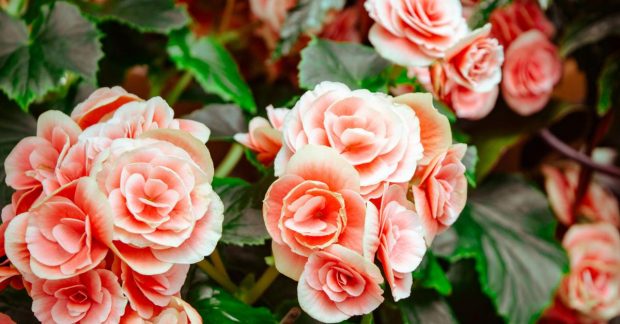
Experts shared recommendations on caring for indoor begonias, which require regular nutrient supplementation to form numerous buds.
 👥Society
Photo: UNIAN
Key points
- Begonias require regular feeding to form abundant buds
- During the blooming period, avoid nitrogen and use phosphorus with potassium
- Fertilizers should always be applied only to pre-moistened soil
- Feeding frequency is every 10-14 days or weekly in a weaker concentration
Indoor begonias are very popular among local residents due to their vibrant appearance and variety of cultivars. However, for a plant to delight its owners with abundant blossoming on the windowsill, it requires proper care and timely fertilization. Since the volume of soil in flower pots is limited, beneficial microelements quickly wash away during watering, causing the flowers to experience nutrient deficiencies.
Choosing Fertilizers Based on Growth Stages
Specialists note that there is no universal fertilizer recipe for begonias, as the plant's needs change depending on the season and growth phase. In spring, when green pets wake up from their dormant period and begin to grow foliage, it is advisable to use balanced complexes with equal amounts of nitrogen, phosphorus, and potassium. These help both the root system and shoots develop harmoniously.
The situation changes with the appearance of the first buds. At this stage, experienced gardeners recommend completely excluding nitrogen from the plant's diet, as it stimulates leaf growth at the expense of blossoms. Instead, the basis of fertilizers should be phosphorus and potassium. The first element provides energy for forming flower buds, while the second improves the overall endurance of the indoor culture. Superphosphate or potassium monophosphate work exceptionally well for this purpose.
Rules for Safe Fertilizer Application
An important rule is that any nutrient mixtures must be applied exclusively to pre-moistened soil. Initial watering with plain water protects delicate roots from potential chemical burns. For indoor potted flowers, liquid preparations are preferred because they are absorbed much faster than dry or granular alternatives.
As for the frequency of the procedure, the standard schedule involves fertilizing once every 10 to 14 days. Some indoor plant enthusiasts practice weekly feeding, but in such cases, the solution concentration is diluted four times more than the manufacturer's recommendation. Once the begonia finishes blooming and prepares for a dormant period, fertilization is completely stopped until the next active season.
Source UNIAN — unian.ua/lite/advice/chem-podkormit-begoniyu-dlya-cveteniya-polezno… ↗
Read next
 🛡️Security
Germany plans to allocate €11.6 billion in military support for Ukraine in 2027
The German government continues to scale up its defense assistance to Ukraine, earmarking €11.6 billion for 2027.
 👥Society
Energy System Protection: Zelensky Holds Meeting on Power Supply Stabilization
The President of Ukraine held a meeting with government officials and energy experts to discuss strengthening critical infrastructure and restoring power in affected regi…
 👥Society
Odesa's 'Points of Invincibility' Serve Over 7,600 People in 24 Hours
Due to the difficult energy situation in Odesa, thousands of residents have sought assistance and access to essential services at the city's designated support points.
 👥Society
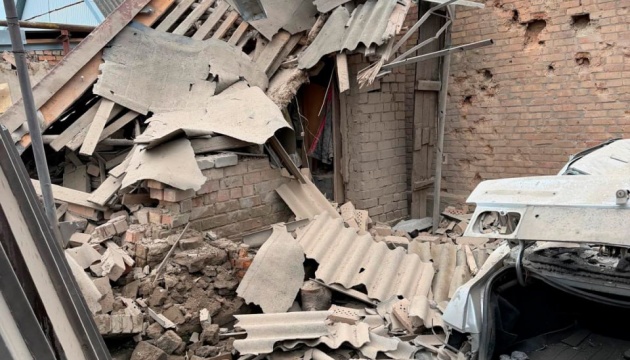
Consequences of massive attacks on the Dnipropetrovsk region: two dead and infrastructure damaged
Over the past 24 hours, the enemy launched 40 strikes on the Dnipropetrovsk region, resulting in casualties and damage to civilian infrastructure.
 👥Society
Ukrainian Defense Forces Strike Russian Oil Infrastructure in Perm and Tatarstan
Ukrainian military, in cooperation with the 'Black Spark' movement, disabled key oil processing facilities deep behind enemy lines.
 💼Economy
National Bank of Ukraine raises official exchange rates for November 24
The National Bank of Ukraine has updated official exchange rates, recording an increase in the cost of the dollar and the euro following a previous decline.