Microplastics in water: new study reveals hidden chemical threat
Researchers have discovered that microplastics in water do not just accumulate in organisms but trigger chemical reactions that can damage cells.
 🩺Health
Photo: TSN
Key points
- Microplastics generate reactive oxygen species in water
- Polyethylene and polypropylene are the most chemically active
- Chemical reactions can damage proteins and DNA
- Heating plastic accelerates the release of harmful particles
The chemical activity of plastic particles
An international team of researchers from Columbia University and the University of California, Berkeley, has identified a new danger associated with microplastics. It turns out that upon contact with water, plastic particles act as catalysts for chemical processes, generating reactive oxygen species (ROS).
These compounds, including hydroxyl radicals, can react with proteins and DNA. Polyethylene and polypropylene were found to be the most active, as their surfaces interact most intensely with the aquatic environment.
Impact on biological structures
Laboratory experiments using mouse red blood cells showed that exposure to polystyrene causes cells to deform and rupture. This indicates that microplastics are not merely mechanical pollutants but chemically active agents capable of damaging cellular structures.
Researchers emphasize that the risk increases when plastic containers are heated or when water is stored in the sun, which accelerates the breakdown of the material into smaller fractions. While these laboratory findings are not direct proof of human disease, they highlight a complex new aspect of environmental safety.
Source TSN — tsn.ua/zdorovya/mikroplastyk-vyiavyvsia-nebezpechnishym-niz-vvazaly-shc… ↗
Read next
 🏛️Politics
Jared Kushner outlines conditions under which Trump might support security guarantees for Ukraine
Donald Trump's special envoy suggested that security guarantees similar to NATO's Article 5 could be considered for Ukraine under specific conditions.
 🏙️City
Useful tips for Mykolaiv residents: why you shouldn't remove bones from canned sardines
Experts explain that consuming canned sardines along with their softened bones significantly increases calcium intake.
 🛡️Security
Russian strikes on energy infrastructure: Zelensky on enemy strategy and consequences
President Volodymyr Zelensky reported on Russia's attempts to destabilize the power grid in southern and central regions amid ongoing rescue operations in the Kyiv region…
 🏛️Politics
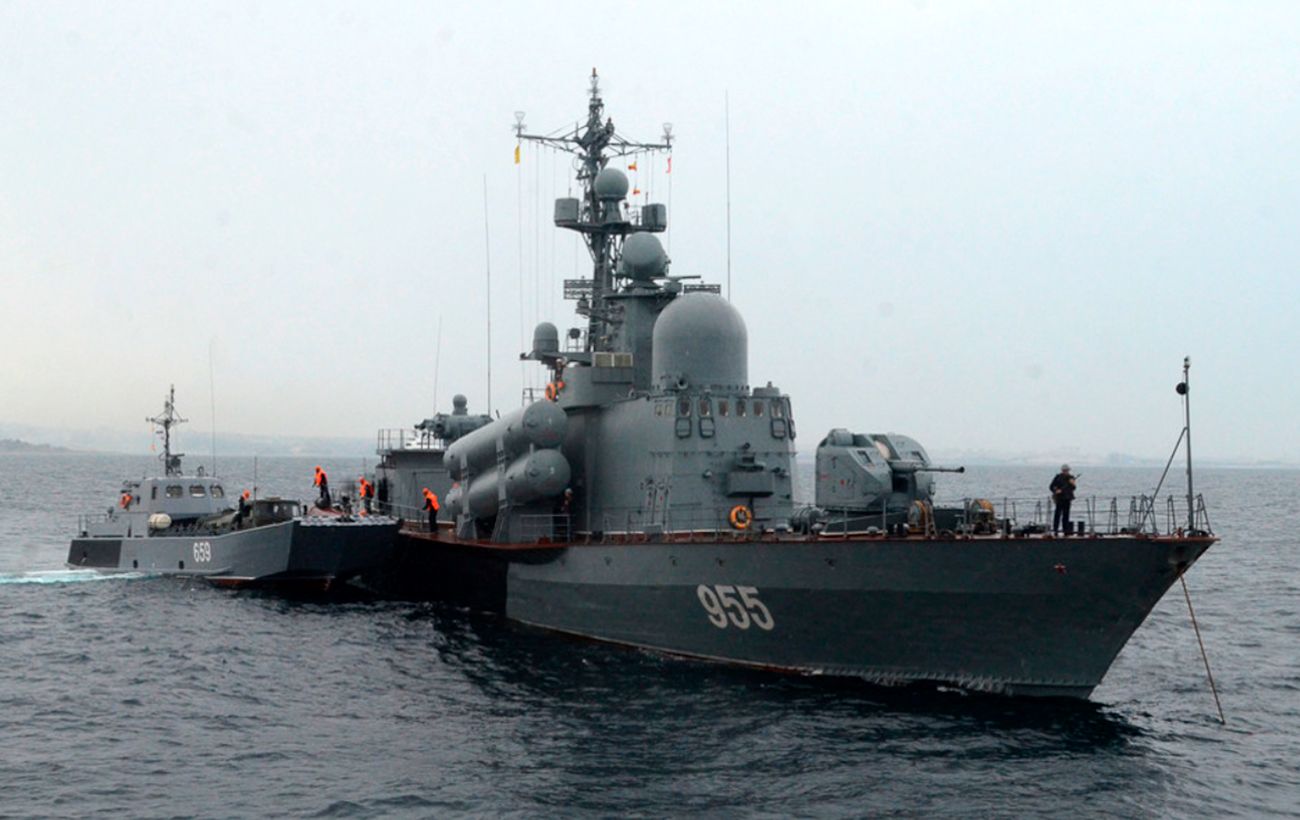
Russian Corvette Merkury Damaged in Benghazi Port Following Drone Strike Reports
The Russian warship Merkury sustained serious damage following a naval drone attack at a naval base in Benghazi, Libya. Sources cited by AP suggest potential involvement …
 🏙️City
Mykolaivoblenergo releases power outage schedules for November 23
Energy providers have warned residents of the Mykolaiv region about scheduled power outages throughout the day on November 23.
 🛡️Security
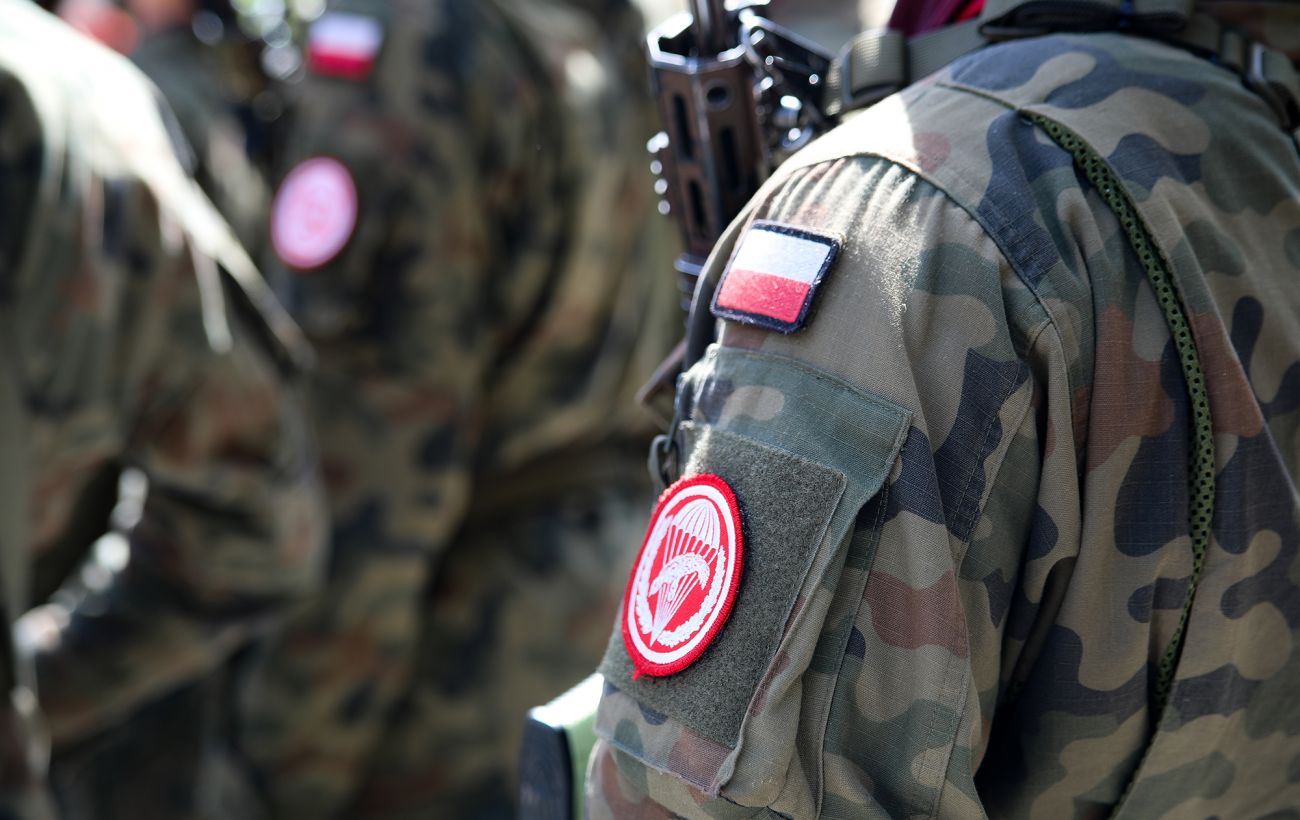
Investigation into Poland incident: three Russian Kh-101 missiles identified
Polish investigators confirmed that three Russian cruise missiles, manufactured in late 2026, breached the country's airspace.