Industrial Crisis: Heavy Metallurgy Faces Existential Threat Amid Infrastructure Collapse
Ukraine's heavy industry is on the verge of destruction due to persistent attacks on energy and transport, leading to a massive decline in steel and mining output.
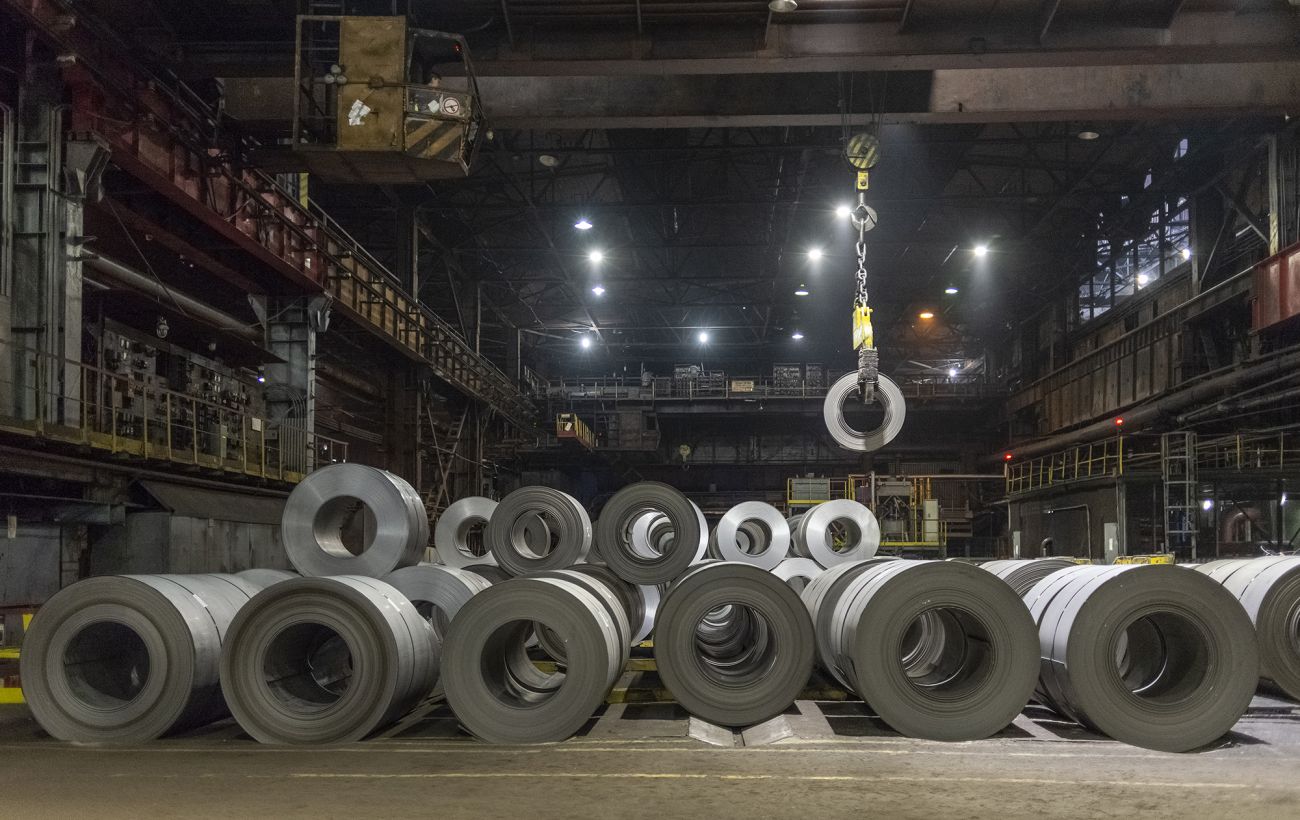 💼Economy
Photo: RBC-Ukraine
Key points
- Steel production in Ukraine has dropped by over 80% as of late 2026.
- Critical infrastructure damage makes the cost of restarting plants prohibitively high.
- Logistical bottlenecks and port restrictions have paralyzed the export of raw materials.
Ukraine's heavy industry, once the backbone of the national economy, is currently facing a fight for survival. According to a report by Dagens Nyheter, the sector is reeling from continuous strikes on mines, steel plants, and energy infrastructure. In major hubs like Kamenske and Kryvyi Rih, production has slowed to a crawl or stopped entirely, leaving thousands of workers in a state of profound uncertainty.
Production Decline and Social Impact
In Kamenske, steel production has been halted since early autumn. The cost of restoring damaged facilities is staggering, with the repair of a single furnace estimated at tens of millions of dollars. However, the loss of skilled labor is seen as an even greater threat. Oleksandr Tretiakov, a top executive at one of the plants, warned:
"If we lose the workers, the money will no longer matter. Then we will never be able to restart the plants,"he stated.
The economic data is grim. While heavy industry accounted for over 10% of Ukraine's GDP before the full-scale invasion, its share has halved by 2025. As of September 2026, national steel production has plummeted by more than 80%. This decline directly impacts municipal budgets, as cities like Kamenske rely heavily on tax revenues from these industrial giants.
Logistics and Export Challenges
The mining sector in Kryvyi Rih is operating at only 20–50% capacity. The stagnation is driven by the energy crisis, falling demand, and a severe shortage of locomotives following attacks on the railway network. Export logistics have effectively collapsed, with Black Sea ports operating under significant restrictions and land routes becoming increasingly difficult to navigate.
Industry leaders describe the current state of Ukrainian industry as "more dead than alive." Companies are now appealing to the government for a dedicated support program, similar to the one established for the energy sector, and are seeking eased trade restrictions for deliveries to the EU. Without a recovery in production and logistics, Ukraine risks losing entire industrial cities and the economic foundation required for post-war reconstruction.
Source RBC-Ukraine — rbc.ua/ukr/news/ukrayinska-promislovist-skorishe-mertva-nizh-179500… ↗
Read next
 🎓Education
MES Calculates Learning Time Losses Due to Air Raids: Current School Situation
Throughout the past academic year, air raid alerts affected nearly half of all school days in Ukraine, forcing students to seek safety in shelters.
 🛡️Security
Mykolaiv hosts coordination meeting with families of POWs and missing Ukrainian defenders
Representatives of the Coordination Headquarters for the Treatment of Prisoners of War met with families of captured and missing soldiers in Mykolaiv.
 🏙️City
Mykolaiv region faces severe weather: yellow alert issued
Forecasters warn of deteriorating weather conditions in Mykolaiv on November 23 due to heavy rainfall and gale-force winds.
 🇺🇦Ukraine
US Restricts Certain Military Contacts with Canada: Details and Ottawa’s Reaction
US Defense Secretary Pete Hegseth has signed a classified directive limiting military interactions with Canada, adding to ongoing bilateral tensions.
 🏛️Politics
Petition for the resignation of Minister for Veterans Affairs Vitaliy Kim reaches required signatures
An online petition to the Cabinet of Ministers demanding the dismissal of Vitaliy Kim from the post of Minister for Veterans Affairs has gathered 25,000 signatures in fou…
 🩺Health
Sauerkraut for health: expert advice for seniors
Nutritionists highlight the benefits of sauerkraut for boosting immunity and improving digestion in older adults.