Heating Efficiency: Why Firewood Preparation Requires Up to Two Years
Experts emphasize that firewood must reach a moisture level below 20% to ensure safety and maximum heat output, a process that can take up to two years.
 🏙️City
Photo: UNIAN
Key points
- Optimal firewood moisture is 20% or less for maximum heat.
- Hardwoods like oak and beech require 1-2 years of seasoning.
- Proper ventilation and elevation from the ground are essential for storage.
As the heating season approaches, the issue of efficient heating becomes critical for residents of Mykolaiv's private sector. Many are accustomed to purchasing fuel right before the season starts, but experts warn: freshly cut wood cannot provide adequate warmth. For firewood to become high-quality fuel, it must undergo a lengthy natural drying process, which, depending on the wood species, can last up to two years.
Why Fuel Moisture is Critical
The main indicator of firewood quality is its moisture level, which should not exceed 20 percent. If "green" wood is used, a significant portion of the energy during combustion is spent on evaporating residual water rather than heating the room. This leads to excessive smoke and a rapid buildup of resinous soot on the chimney walls. Such deposits are extremely dangerous as they significantly increase the risk of fire within the flue system.
Particular attention should be paid to hardwoods such as oak, beech, or hornbeam. Due to their dense structure, they dry much slower than coniferous or soft species. Specialists note that wood cut and split in the spring is not necessarily ready for use by the same winter. The optimal seasoning period for hardwoods under proper conditions ranges from 12 to 24 months.
Storage Rules and Readiness Checks
To speed up the drying process, it is recommended to saw and split the wood immediately after harvesting. It should be stored in well-ventilated areas protected from precipitation but with free air circulation. It is crucial that logs do not lie directly on the ground, as they will absorb moisture from below. Storing wood in closed, damp spaces only slows the process and can lead to mold growth.
Firewood readiness can be determined by several external signs. Dry wood is significantly lighter than fresh wood, and characteristic cracks appear on the ends of the logs over time. Another proven method is the sound test: when two dry logs are struck together, the sound should be clear and ringing, while wet wood produces a dull thud. However, experts caution that even these signs are not 100% reliable, as a log may be dry on the outside but still damp inside.
Source UNIAN — unian.ua/curiosities/skilki-potribno-sushiti-drova-dlya-efektivnogo… ↗
Read next
 🚨Events
Powerful explosions near the Crimean Bridge: what is known
In temporarily occupied Kerch, powerful explosions have occurred near the Crimean Bridge. Witnesses report bright flashes and sounds similar to rocket flyovers.
 🎭Culture & Sport
Europe bans the sale of shampoos with microplastics: what does it mean for Ukraine
From 2027, Europe will ban the sale of certain cosmetics containing microplastics. This includes shampoos and body washes that contain microbeads that do not dissolve in …
 🚨Events
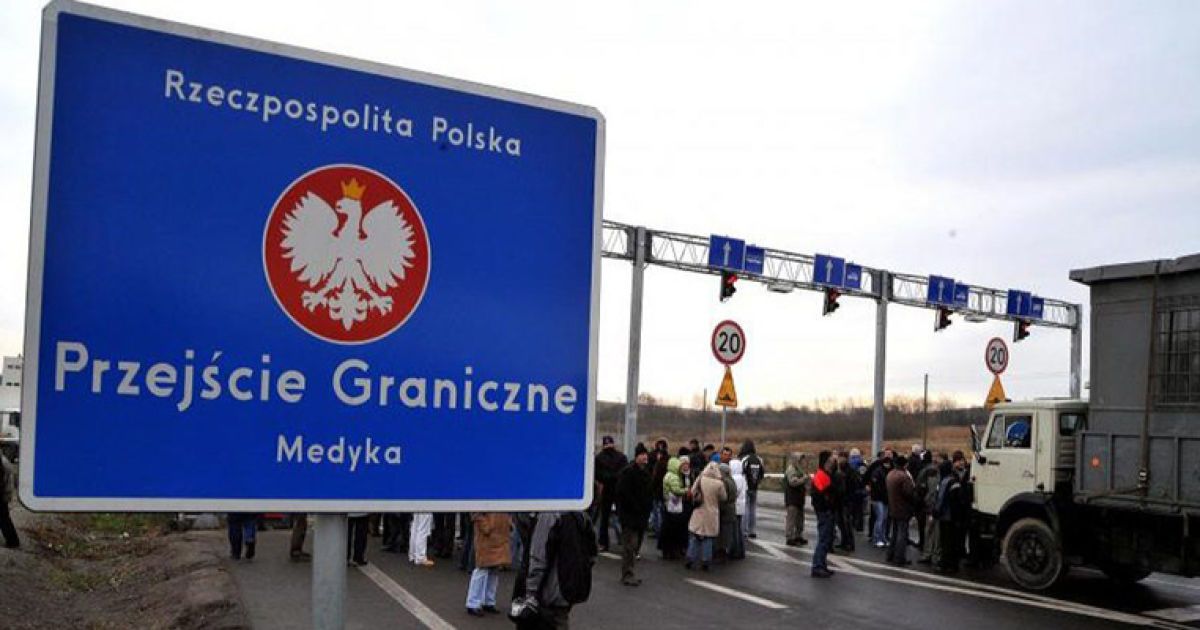
Poland Prepares for Possible Wave of Refugees from Ukraine
The Polish government has developed three scenarios to respond to a possible wave of refugees from Ukraine during the winter of 2026-2027.
 🎭Culture & Sport
The Gold of SS Central America: A Tragedy Leading to Years of Legal Battles
The story of the SS Central America, which sank in 1857, has become a symbol of both maritime tragedy and high-profile legal disputes over recovered treasures.
 🛡️Security
Frontline update: Over 200 combat engagements and significant enemy losses on the Pokrovsk axis
The General Staff of the Armed Forces of Ukraine reported intense combat activity across the entire frontline, with 205 engagements recorded in a single day.
 🇺🇦Ukraine
US and Venezuela Agree to Strengthen Defense Partnership
US Secretary of Defense Pete Hegseth announced a new military cooperation agreement with Venezuela following talks in Caracas.